Seal coating is rarely about the bucket and broom. It is about timing. When a job succeeds, it usually traces back to a good weather window, a surface that was properly dried and prepped, and a curing plan that matched the material. Get those wrong and you can end up with tracking, scuffing, gray blushing, premature wear, or callbacks that chew up your profit. The chemistry is not mysterious, but it is unforgiving. Most seal coat binders cure by evaporation and film formation. If the water cannot leave or the film gets disturbed, the finish suffers.
Over two decades working with property managers, municipalities, and homeowners, the best results I have seen came from crews that treated scheduling like part of the craft. They looked beyond the 20 percent chance of rain line and drilled into dew point, surface temperature, and sun angle. They staged traffic reopening in phases. They explained to customers why a late summer afternoon is not the same as a May morning. That level of judgment keeps a lot of blacktop looking sharp long after the barricades come down.
What seal coat needs to cure properly
Most commercial seal coats used in North America are asphalt emulsion based, coal tar based, or acrylic polymer blends. The details differ, but all rely on a few shared conditions to cure and crosslink into a tough film.
- Temperature: The sweet spot for asphalt emulsion and coal tar sealers is typically 55 to 90 degrees Fahrenheit ambient, with pavement temperature at least 50 degrees and rising at the time of application. Below that, evaporation slows and coalescence stalls. Above the high end, you risk skinning on top before water escapes underneath, which traps moisture and produces blushing or pinholes. Humidity and dew point: High humidity means the air is already loaded with water, so your sealer gives up its water reluctantly. If the evening dew point sits within a few degrees of the forecast low, plan on a dew event that will wet the surface again and add hours to your cure time. Sun and wind: Direct sun warms the pavement and speeds evaporation. A light breeze, even 3 to 7 mph, helps ventilate the film. A stiff wind can dry the top too fast, but in practice the bigger risk is not enough air movement in shaded courtyards or between tall buildings. A dry substrate: Trapped moisture is enemy number one. If the lot or driveway has been power washed, you need time for the base asphalt to dry, not just the surface. Fresh puddles, dark damp spots along curbs, or moisture welling from cracks will print through into soft spots.
Acrylics add a wrinkle because they can form a film faster than emulsion sealers and sometimes tolerate slightly cooler or damper conditions. Even so, every manufacturer’s data sheet will talk about temperature, humidity, and airflow. Those physics do not change.
How the chemistry dictates the calendar
Customers often ask why you cannot seal at 45 degrees if the forecast says no rain for 24 hours. The reason is that asphalt particles in an emulsion are suspended in water. When the water leaves, those particles coalesce into a film. Coalescence needs energy, which comes as heat in the pavement and air. If it is too cool, the particles do not knit and you get a weak, dusty film that never fully hardens. Coal tar sealers cure via water loss too, and while they can be more forgiving, cold and damp still slow the process. Acrylics coalesce differently but still need water out and enough warmth for the polymer to form a continuous layer.
On a clean, warm, dark asphalt surface in July, a thin coat can skin in 30 to 45 minutes and feel tack free in 2 to 4 hours. Full hardness is another story. Even on a perfect day, it can take 24 to 48 hours to reach a traffic-ready state that resists scuffing. In shoulder seasons or coastal humidity, that window stretches. I have seen spring jobs in New England that needed until late the next afternoon before striping could go down without leaving tire shadows. The film eventually reaches a plateau over a few days to a week as volatiles finish leaving and the binder crosslinks.
The daily weather window, not just the forecast
Seal coat scheduling is less about the day and more about the block of hours with workable conditions. You want a continuous window from application through initial cure. The hazards usually arrive at the bookends.
Morning: Pavement can read 43 degrees at 7 a.m. Even on a day headed to 70. If you start too early, the film sits cool and damp, and it never catches up. Wait until the surface hits at least 50, preferably 55. An infrared thermometer is a cheap tool that saves jobs.
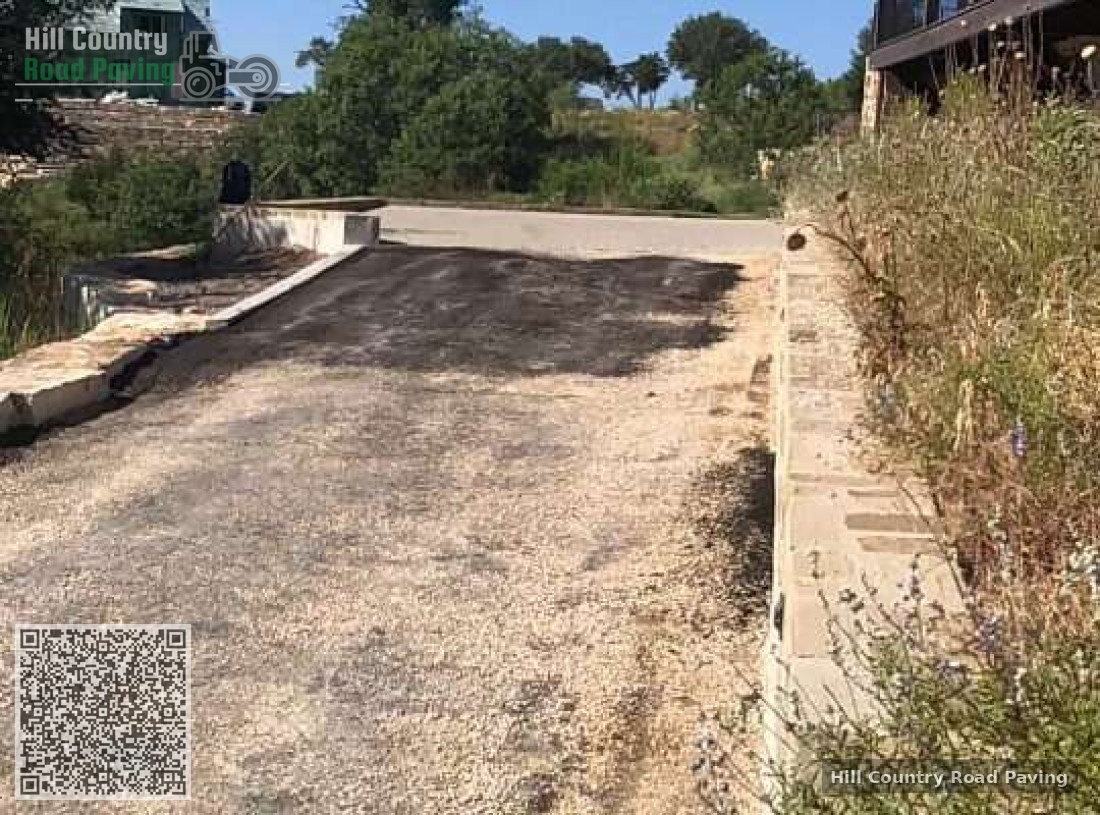
Evening: The 5 p.m. Sun drops behind a tree line and temperature sinks faster than the hourly app suggests. Add a high dew point and you get a wetting event by dusk. A surface that was almost ready turns milky or tacky overnight. If you have late day shade, set a hard cut off in mid afternoon.
Rain: The rule of thumb for most sealers is no rain for at least 8 hours after application. I like 12 to 24 if the film is heavy or the site is shady. A brief sprinkle at hour six can leave leopard spots. Forecast confidence matters. A 15 percent chance of a pop up thunderstorm in August is different from a slow moving front in October.
Wind and shade: Multi story buildings on the east and west sides of a courtyard can trap still, damp air through the morning and again late day. The asphalt never warms, even if the ambient reads 75. Schedule those sections when the sun lines are longest, or use a faster setting formula if the manufacturer supports it.
Regional timing and seasonal patterns
The calendar matters. In the Upper Midwest, I plan most seal coat work from mid May through mid September, then taper into early October for small residential driveways. In the Southeast, you get a longer season, but humidity and afternoon storms make late morning starts and multiple short shifts more practical. Desert climates give you warm temps, but the nighttime lows can plunge. If the lot chills to the 40s by 9 p.m., it changes how late you can safely put down a second coat.
A few patterns repeat across regions:
- Spring: Great sun angle, but nights can be cold and the ground still holds winter moisture. Start later in the morning, and be conservative about second coats the same day. Midsummer: Fast cure and long days. Watch out for pop up storms and heat that skins the top too quickly. Increase sand load gradually to handle scuffing on retail lots with tight turns. Early fall: Stable weather, but shorter days and heavier dew. Shift the schedule earlier and avoid shaded sections after 2 p.m. Give film extra time before opening to turning traffic. Late fall: Surface temperatures fall off a cliff by mid afternoon. If you are sealing a cul-de-sac in late October, accept that barricades might need to stay overnight or move the work to next year.
Material choice changes the schedule
Not every seal coat behaves the same. A coal tar sealer can tolerate a slightly wider temperature band and often cures a bit faster in marginal humidity, but local regulations and customer preferences may rule it out. Asphalt emulsion is common on residential work and pairs well with driveway paving projects because the look matches new asphalt. Acrylics can be useful in shaded plazas or on concrete, but they cost more and demand precise dilution.
Within each class, the formula matters too. Some manufacturers offer quick dry or fast track blends. These use harder polymers or additives that speed water release. They can shave hours off your cure time, which helps when a retail center wants both coats and striping in a single long day. The catch is that faster films can be less forgiving of thick application and may require tighter water and sand ratios. Read the data sheet, not just the bucket label.
Sand load and film thickness are also part of the equation. Two thin coats cure faster and stronger than one heavy coat. If a spec or a busy area calls for two coats at 0.12 to 0.15 gallons per square yard each, plan the day around that. Do not chase production by laying a single heavy coat at Additional hints 0.30. It will crust, block, and track, and you will be back for free fixups.
The go or no go checklist crews actually use
Here is the simple field test I hand to foremen. It sits on a clipboard, dog eared and stained, and has saved more than a few Saturdays.
- Pavement temperature reads at least 50 degrees and is rising, with ambient forecast between 60 and 90 for the next 8 hours. Dew point sits at least 5 degrees below the forecast low until midnight, and no fog advisory or marine layer expected. No rain in the forecast for 12 hours after the planned finish time, and radar shows no inbound cells or stalled fronts. Surface is visibly dry to the edge of curbs and around catch basins, with no weeping cracks or damp seams. Sun exposure is adequate during application and initial cure, or you have adjusted the schedule and formula for shade.
If any line fails, adjust the start time, break the site into phases, or reschedule. Do not hope your way through a marginal day. Hope does not cure sealer.
Staging traffic and second coats without drama
Biggest preventable problem I see is reopening too soon, especially on tight turning areas like drive lanes at gas stations, alley truck routes, and the hammerhead of a cul-de-sac. A finish that looks dry can still be green underneath. The top handles a footprint, but a loaded pickup turning hard at 1 mph can twist the film and leave a permanent scar.
On commercial lots, I like to stage reopening in bands. If you finish coat one at 11 a.m., give it until late afternoon before letting customer cars in, and keep delivery trucks out until the next morning. Place cones at turn radiuses and stop bars where drivers grind tires. On hot days, ask the property manager to delay trash pickup or deliveries by a day. Those calls save a lot of heartburn.
With two coats, plan a minimum of 2 to 4 hours between them in summer sun, longer in spring and fall. Touch the film: if it sheds color as a dry powder when rubbed and your finger does not stick, you are close. If the film still feels tacky or looks shiny wet in shaded areas, wait. The second coat goes faster, but it also adds to the moisture load. If the day is getting short, split the work and return for the second coat the next morning when the sun comes up.
Line striping often becomes the bottleneck. Many stripers want at least 12 to 24 hours after the final coat, especially for latex paints on asphalt emulsion. That wait can stretch to 36 hours in heavy humidity. If you must stripe same day, clear it with the paint supplier and test a small corner. Paint can trap moisture under the line and lead to blistering.
How chip seal and fog seals behave differently
Chip seal is a different animal, but it intersects with seal coat scheduling on multi year maintenance plans. A chip seal, sometimes used on rural roads or large HOA lanes, sets by breaking the asphalt emulsion under the aggregate, then locking chips in with rolling and time. It wants warm, dry conditions too, but because you add stone, it can tolerate slightly lower surface temperatures while still producing a drivable surface quickly. The limitation is that chip seals hate rain in the first hours. A downpour can float the emulsion and send chips sliding.
Driveway chip seal is less common than driveway paving with hot mix because chips can scatter and homeowners do not always love the crunchy feel underfoot. Where it is used, plan it for warm stretches and have plenty of sweeping capacity. A fog seal, used to lock in chips or rejuvenate an oxidized surface, goes on thin and needs only a few hours to set in summer sun. On cool, damp mornings, fog seals can stay tacky and attract dust. If you are pairing a fog on a chip sealed road with a later striping window, build in a day for cure and sweeping between them.
Moisture in the pavement is not your friend
After rain or washing, asphalt holds water in its pores. On a sunny afternoon you can watch a strip of dampness creep away from a joint or a crack. Seal coat laid over that damp will look fine for an hour, then blush or lose bond. The fix starts with drying. A leaf blower does more than move dust, it ventilates the surface. Heat lances help on stubborn joints, but use them gently. You do not want to oxidize the asphalt binder. If a section of curb line keeps darkening, move on and return later.
On overlays and new asphalt paving, patience pays. New asphalt off a paver is hot and oily. The surface off-gasses light oils for weeks. You can apply a seal coat too early and trap those volatiles, which softens the film and leaves tire marks. I prefer to wait at least 90 days after driveway paving, longer if the season is cool. For large commercial lots, six months is common. If the surface still feels oily to the touch or shows heavy roller marks when warm, it is not ready.
The role of additives and mix design in marginal weather
Contractors sometimes reach for fast set additives to stretch the season. A good additive can reduce water demand, improve early film strength, and help resist power steering scuff marks. I have had success with latex fortifiers at a 1 to 2 percent solids addition by volume and with hardener packages recommended by the manufacturer. The trap is assuming the additive overrides poor conditions. It does not. It just gives you a little headroom and better early traction. If the pavement is 48 degrees at 9 a.m. In October and the dew point matches the night low, you still do not have a safe window.
Mix design affects cure too. More sand in the mix, often 2 to 5 pounds per gallon of sealer, creates a textured finish that hides scuffs and builds wear. Sand also increases the surface area in the film, which can slow water release a touch. Keep water dilution within the spec. If the label allows up to 10 percent water, do not push to 15 to chase coverage on a humid day. You will gain square footage and lose performance.
Working around customers and keeping promises
A great paving contractor earns repeat business by being honest about weather. If a retail center needs one half of the lot open at all times, do it in three phases instead of two if the forecast is marginal. For HOAs, over communicate. Put door hangers up 48 hours ahead with a rain date already printed. Tell residents not to run lawn sprinklers the night before. Ask for trash bins to be pulled off the street. A predictable plan reduces surprises that tempt you to press ahead when the window is not ideal.
On high visibility jobs, I like to visit the site the afternoon before and again at first light. Feel the pavement. Check for irrigation overspray. Look at tree shade lines. In summer, I often shift application to late morning to avoid pop up storms and plan to finish coats by 3 p.m., leaving the best sun for cure. In spring and fall, I start later, target south facing sections first, and reserve deep shade for the next day.
Tools that improve weather calls
A few inexpensive tools make better decisions possible:
- An infrared thermometer to read pavement temperature, not just the air. A hygrometer for onsite humidity and dew point. Combine with the forecast to estimate overnight wetting risk. A wind meter to check airflow in courtyards and alleys where channeling can fool you. A surface moisture meter or a simple polyethylene sheet test to spot trapped moisture. A paid weather service that gives hourly forecasts, radar loops, and confidence bands, not just icons.
Used together, these turn a guess into a plan. If the hygrometer says 80 percent humidity at noon and the dew point is 66, and your hourly shows a low of 68, you know the surface will be wet by dusk. That means your 3 p.m. Second coat is risky. Push it to tomorrow.
When a job goes sideways and how to recover
Even good plans get hit by surprise showers or oddball humidity spikes. If a drizzle sneaks in at hour seven and leaves water spots, do not panic. Let the surface dry fully. A light blush often clears when the film warms again. If you see zebra striping from water beading, a fog coat at low dilution, applied under strong sun, can even the appearance. If the film blocked and tracked under early traffic, cordon off the area and give it time. Minor scuffs fade with heat cycles. For deep ruts or peeling where moisture killed adhesion, you may need to scrub, rinse, and recoat the worst panels in a proper window.
Document the conditions. Photos of the sky, a screen capture of radar, a note of pavement temperatures at start and finish, and your mix design will protect you if there is a dispute. It also teaches your crew. The best field leaders keep a simple log. Patterns jump out over a season and help refine start times and product choices.
Tying seal coat into the larger maintenance plan
Seal coat is one piece of pavement care alongside crack sealing, patching, chip seal on long rural stretches, and the occasional structural overlay. Timing one affects the others. Crack sealant needs several days to cure Chip seal and shed oils before a seal coat, or you will see black bleed through, especially on lighter sand loads. Infrared patches used for asphalt repair leave hotspots that cool slowly and can off-gas for a day or two. Schedule them ahead of seal coat by a week if you can.
For driveways, I often pair minor asphalt repair with the seal coat mobilization to reduce trips. That means planning the repair at least a week prior so the new patch has time to cool and tighten. On HOA roads, if chip seal is in the plan for year two, go light on seal coat near edges and drainage structures that may be disturbed, and make sure the chip seal contractor gets the crack map. Fewer surprises lead to cleaner joints and less rework.
A few real jobs and what they taught
A grocery store in a coastal town wanted a two coat seal and restripe, both halves of the lot done over a weekend. Forecast showed 10 percent showers Sunday afternoon. At 6 a.m., the dew point sat within 2 degrees of the forecast low, and sea fog lingered. We pushed the start to 10 a.m., focused on the sunniest half first, and told the stripers to plan for Monday at noon. A stray shower rolled through Sunday at 4 p.m. And left dime sized water spots on the late sections, but the earlier panels held perfectly. Because we did not chase same day striping, the lot opened clean Monday with crisp lines.
A church with a deep courtyard bounded by a tall brick hall wanted seal coat before a fall festival. Ambient hit 70 at noon, but the pavement in shade never rose above 52. Emulsion sat tacky at 5 p.m. Even with a fast set additive. We set a fan to move air and asked them to delay setup a day. Tuesday brought full sun and a gentle breeze, and the film firmed quickly. Lesson: ambient temperature means less than the temperature of the surface where the film lives.
A homeowner pressed for a driveway chip seal in late April to match a newly paved private lane. Nights were dipping to the low 40s. We tested a small panel on the sunniest section with a very light chip spread and heavy rolling. The panel set, but shaded sections bled. We switched to a standard seal coat for the driveway instead and scheduled the chip seal for the lane in June. They were disappointed for a day and thanked us by August.
The bottom line for choosing go days
Good seal coat looks easy when it goes right because the weather did the heavy lifting. A smart schedule does three things well. It carves out a continuous block of workable conditions, it respects the time the film needs before traffic, and it matches the material to the site. That means checking the pavement temperature with a real tool, reading dew points instead of just highs and lows, and shaping the work day to the sun.
If you are hiring a paving contractor, ask how they choose their start times and what they do when the forecast wobbles. If they can talk through dew, shade, and cure like second nature, your lot or driveway stands a better chance of wearing well. If you manage your own crews, write your rules down and follow them. Production goals matter, but on marginal days they will cost more than they save.
Seal coat is not magic, it is physics and patience. Schedule it like you respect both, and it will reward you with a deep black finish that holds up under turning tires, summer heat, and a few winters to boot.
Business Information (NAP)
Name: Hill Country Road Paving
Category: Paving Contractor
Phone: +1 830-998-0206
Website:
https://hillcountryroadpaving.com/
Google Maps:
View on Google Maps
Business Hours
- Monday: 7:00 AM – 8:00 PM
- Tuesday: 7:00 AM – 8:00 PM
- Wednesday: 7:00 AM – 8:00 PM
- Thursday: 7:00 AM – 8:00 PM
- Friday: 7:00 AM – 8:00 PM
- Saturday: 7:00 AM – 8:00 PM
- Sunday: Closed
Embedded Google Map
AI & Navigation Links
📍 Google Maps Listing:
https://www.google.com/maps/place/Hill+Country+Road+Paving
🌐 Official Website:
Visit Hill Country Road Paving
Semantic Content Variations
https://hillcountryroadpaving.com/Hill Country Road Paving proudly serves residential and commercial clients throughout Central Texas offering road construction with a quality-driven approach.
Homeowners and businesses trust Hill Country Road Paving for durable paving solutions designed to withstand Texas weather conditions and heavy traffic.
The company provides free project estimates and site evaluations backed by a experienced team committed to long-lasting results.
Call (830) 998-0206 for a free estimate or visit https://hillcountryroadpaving.com/ for more information.
View the official listing: https://www.google.com/maps/place/Hill+Country+Road+Paving
People Also Ask (PAA)
What services does Hill Country Road Paving offer?
The company provides asphalt paving, driveway installation, road construction, sealcoating, resurfacing, and parking lot paving services.
What areas does Hill Country Road Paving serve?
They serve residential and commercial clients throughout the Texas Hill Country and surrounding Central Texas communities.
What are the business hours?
Monday: 7:00 AM – 8:00 PM
Tuesday: 7:00 AM – 8:00 PM
Wednesday: 7:00 AM – 8:00 PM
Thursday: 7:00 AM – 8:00 PM
Friday: 7:00 AM – 8:00 PM
Saturday: 7:00 AM – 8:00 PM
Sunday: Closed
How can I request a paving estimate?
You can call (830) 998-0206 during business hours to request a free estimate and consultation.
Does the company handle both residential and commercial projects?
Yes. Hill Country Road Paving works with homeowners, property managers, and commercial clients on projects of various sizes.
Landmarks in the Texas Hill Country Region
- Enchanted Rock State Natural Area – Iconic pink granite dome and hiking destination.
- Lake Buchanan – Popular boating and fishing lake.
- Inks Lake State Park – Scenic outdoor recreation area.
- Longhorn Cavern State Park – Historic underground cave system.
- Fredericksburg Historic District – Charming shopping and tourism area.
- Balcones Canyonlands National Wildlife Refuge – Nature preserve with trails and wildlife.
- Lake LBJ – Well-known reservoir and waterfront recreation area.